
Are hyacinths toxic to cats, and what should I do if my cat chewed a flower or bulb?
A garden hyacinth bite warrants a call even if your cat seems well. Learn why bulbs pose more risk, what to report, and when to go straight to an emergency vet.
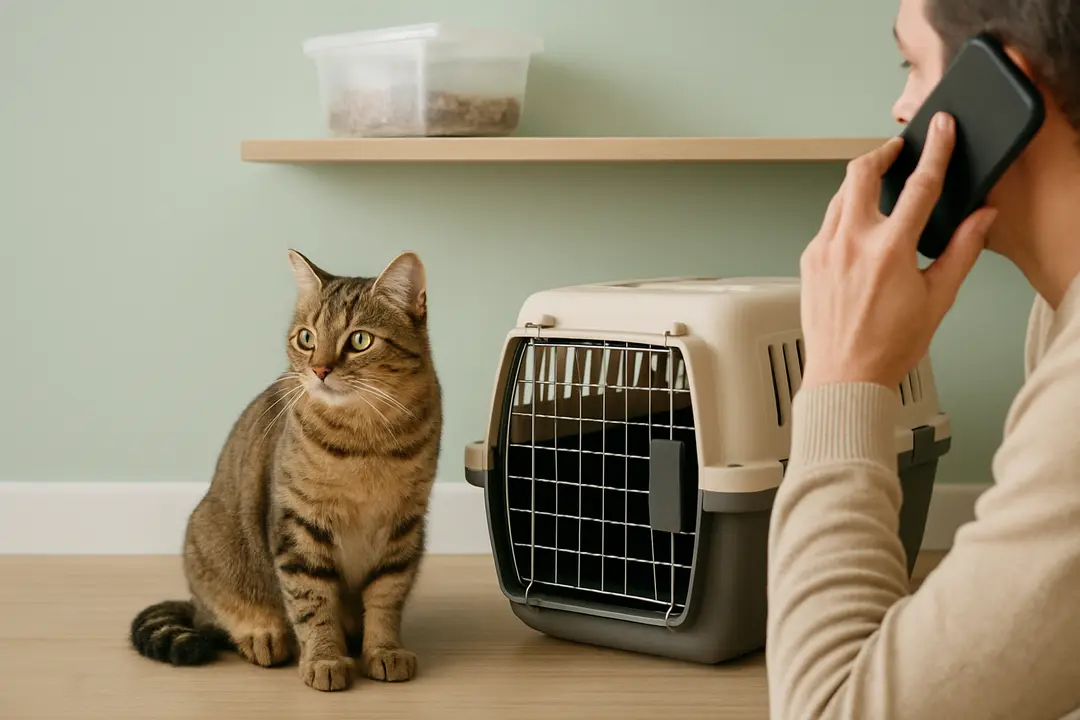
In this guide (6 sections)
Get urgent help
Move your cat away from the plant and call your veterinarian or a pet poison service now. Yes, garden or Dutch hyacinth is toxic to cats: a small flower bite is less concerning than a bulb bite, but call about either, even if your cat looks well. Go straight to an emergency veterinary clinic if your cat is struggling to breathe, has collapsed, is having a seizure, or has tremors (uncontrolled shaking).
If your cat is alert, breathing normally, and you know the plant was a garden hyacinth, a prompt phone call is the first step. It doesn't automatically mean a trip to the hospital. Your veterinarian, ASPCA Poison Control, or Pet Poison Helpline can help decide whether your cat needs to be seen. ASPCA Poison Control's first steps for suspected poisoning apply even before symptoms appear.
Two details can change that first decision:
- Your cat is vomiting repeatedly or passing bloody diarrhea. Contact an emergency veterinary clinic immediately. Say what's happening now and that your cat may have eaten a toxic plant. Don't wait for another episode to see whether it stops.
- A lily may also have been within reach. If your cat may have chewed a lily, licked its pollen, or drunk from its vase, seek emergency veterinary care now. Some lilies can cause kidney failure in cats. Don't wait for illness or delay the trip to identify every flower.
Do not try to make your cat vomit. Don't give hydrogen peroxide or another home remedy. There is no safe over-the-counter way to make a cat throw up; advice you may have heard about dogs does not apply. Both VCA's poisoning guidance and Pet Poison Helpline's first steps for cats address this distinction.
Why the bulb matters more than a flower or leaf
All parts of garden hyacinth (Hyacinthus orientalis) contain toxins. The bulb, the thick base from which the roots and leaves grow, contains the most. The part your cat chewed and the amount swallowed both matter. A small flower or leaf nibble can cause vomiting or diarrhea; eating part of a bulb raises the risk of digestive illness that continues. That's why the clinic will ask about the bulb even if the first thing you noticed was a torn flower.
| What your cat could reach | The most useful detail to report |
|---|---|
| A cut stem in a vase | Say whether a petal, a leaf, or a larger piece is missing. If there was no bulb attached, say so. |
| A plant growing in a pot | Look at both the damaged part above the soil and the base. Tell the clinic if the pot tipped or the bulb was exposed. |
| A loose planting bulb | Lead with the word bulb. Describe any chewed area or missing piece, even if you didn't see your cat swallow it. |
Suppose you saw your cat bite a bloom, then found the pot on its side. The flower bite is something you witnessed. The exposed bulb is something your cat could have reached. Report both facts without guessing that your cat ate the bulb. That gives the clinic a better basis for advice than either “only a petal” or “a whole bulb.” The ASPCA's guide to spring bulbs and Pet Poison Helpline's hyacinth guide explain why that difference matters.
Check the plant name, especially in a bouquet
If the pot tag or bulb packet is handy, read the full name to the clinic. Hyacinthus orientalis means garden hyacinth. A tag that reads Muscari armeniacum refers to a different plant, grape hyacinth in the ASPCA plant list. Don't shorten either name to “hyacinth” on the call if you have the label. If there's no label, say the identification is uncertain rather than relying on flower color.
With a mixed bouquet, a tag for one stem doesn't tell you what else was in the vase. If it won't delay care, take one photo of the whole arrangement and another of the damaged stem. Keep the florist's card if it lists the flowers. Pet Poison Helpline's guide to unknown plant exposures explains how a photo can help identify a plant and why a bouquet needs to be checked for lilies.
Mention any possible lily exposure first, even if the only bite you witnessed was from the hyacinth. Tell the clinic if the flower list says “lily” or “daylily.” An intact bloom doesn't rule out contact with pollen or vase water. For kidney-toxic lilies, early veterinary treatment matters, as the FDA's guide to lilies and cats explains.
What to tell your vet or pet poison control
You don't need to finish investigating before you call. Start with the plant, whether the bulb or a lily was within reach, and how your cat is acting. Then give the best account you can:
- Describe the amount instead of guessing a dose. “There's a notch in one leaf” is useful. So is “one side of the bulb is chewed, and there are pieces on the floor.” The amount missing from the plant isn't necessarily the amount swallowed. If you can't estimate it, say so.
- Give the time of the bite or the possible time window. If you didn't see it happen, tell the clinic when you last saw the plant intact and when you found the damage. Finding a torn flower at breakfast is not the same as knowing your cat chewed it at breakfast.
- Describe changes you've actually seen. Report vomiting, diarrhea, shaking, or a change in your cat's usual activity. Say when it started, how often it has happened, and whether it's still happening. If your cat is acting normally, that's useful information too; it's not a reason to put off the call.
- Confirm the next step. Ask whether to come in now or monitor at home. If the clinic wants to see your cat, bring the label or have the photos ready on your phone. If someone else is taking your cat in, share the time window and plant details with them so the clinic gets the same account.
If the clinic recommends watching your cat at home
Get a plan specific to the bite you reported. Before ending the call, ask which changes should prompt a call back, which mean to go straight in, and how long to keep watching. A plan for a small bite from a cut flower may not apply if you later find that a planting bulb was chewed too.
Keep a short note of what happens and when. For example, record each time your cat vomits rather than trying to remember later whether it happened once or several times. If diarrhea develops, say whether you see blood. Tell the clinic if your cat becomes unusually quiet or if digestive signs continue. For trouble breathing, collapse, a seizure, or tremors, go straight to emergency care instead of waiting for a scheduled update.
While you follow the plan, remove the whole pot or vase from your cat's reach. Pick up fallen petals, leaves, and bulb pieces, and put any unplanted bulbs behind a closed door. Gift flowers can catch even a careful owner by surprise. Keeping the flower card with an arrangement or the tag with a pot makes it easier to get a reliable name if another bite happens.
Talk it through with Vicky
After contacting your vet or poison control, you can tell Vicky what you're seeing right now, including which part of the plant your cat chewed and what the clinic asked you to watch for. Vicky will bring in Dr. Nora (Virtual DVM, DABT), our virtual veterinary toxicology specialist, to help you understand that advice.
Common questions
My cat chewed one fallen or dried petal. Does that count?
Report it as a possible flower bite. Don't assume a garden hyacinth petal is safe because it fell off or dried out; tell your vet it was one petal and whether your cat had access to anything else.
What if there are tooth marks on the bulb but no piece is missing?
Call and describe exactly that: the bulb has tooth marks, but you can't tell whether your cat swallowed any. You don't need proof of a missing piece to ask for advice about the part of the plant with the highest toxin concentration.
I found a wet patch beside the flower. Does it matter whether it was drool or vomit?
If you didn't see it happen, tell the clinic you found a wet patch and aren't sure what it was. The suspected bite is reason enough to call; you don't need to decide what caused the patch first.
My cat looks normal the morning after chewing a hyacinth. Can I stop watching?
If you haven't called yet, call now and tell the clinic how long your cat has seemed well. If you already have a monitoring plan, follow the timeframe your veterinarian gave you rather than treating a symptom-free night as an all-clear.
Sources
- ASPCA: Hyacinth
- Pet Poison Helpline: Tulips & Hyacinths
- University of Illinois College of Veterinary Medicine: What to Do When Your Pet Gets into Household Toxins
- ASPCA: Muscari Armeniacum
- FDA: Lovely Lilies and Curious Cats: A Dangerous Combination
- Pet Poison Helpline: Approaching an Unknown Plant Exposure
- ASPCA: April Showers May Bring Spring Bulbs. What Does that Mean for Your Pet?
- ASPCA Poison Control: Garden Hyacinth
- ASPCA Poison Control: What to Do if Your Pet Is Poisoned
- VCA Animal Hospitals: What to Do if Your Pet Eats Something Toxic
- Pet Poison Helpline: My Cat Ate Something Toxic – What Should I Do?
- ASPCA Poison Control: Grape Hyacinth



