Why is my puppy's stool black, and when does black or tarry stool need urgent care?
Learn how black, tarry puppy poop differs from dark brown stool, when to go straight to an emergency vet, and which details will help your clinic.
In this guide (7 sections)
- When to go straight to the emergency vet
- Dark brown or black and tarry: what to look for
- What can cause digested blood in a puppy’s stool?
- If medicine or rodent bait was within reach
- What to tell the clinic about black puppy poop
- What the vet can check, and what to ask before going home
- Talk it through with Vicky
Black, sticky stool that looks like tar may contain digested blood from the stomach or small intestine. Call your veterinarian promptly about an unexplained tarry stool, even if your puppy is playing; if your clinic is closed, call an emergency clinic for guidance. Go straight to an emergency veterinary hospital if your puppy is struggling to breathe, has collapsed, or has pale or white gums along with marked weakness.
When to go straight to the emergency vet
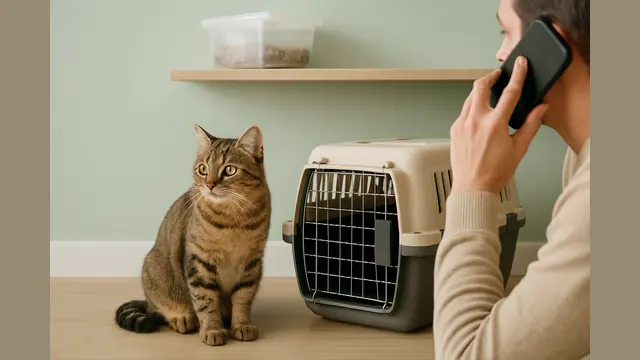
Look at your puppy before you spend time looking at the poop. If your puppy has trouble breathing, is unconscious, or is visibly bleeding heavily, leave for the hospital. Pale gums together with weakness are also concerning because they can be signs of blood loss or poor circulation. You do not need a stool sample or a photo before you go. If someone is with you, ask them to call the hospital on the way.
If your puppy is alert and breathing comfortably, the tarry stool is still a reason to call. Start with what changed: “My puppy passed a black, sticky stool and is still eating and playing.” Ask where and when your puppy should be examined. You don't need to wait for a second bowel movement to make that call. The Merck Veterinary Manual’s guide to dog and cat emergencies explains why breathing, alertness, and circulation take priority when an animal looks ill.
Dark brown or black and tarry: what to look for
A formed stool can be dark brown. What raises concern for bleeding is the combination of a black color and a tar-like appearance. Vets call stool darkened by digested blood melena. Blood that has passed through the stomach or small intestine can look black by the time it leaves the body. You may not see anything red.
If the stool is in front of you, look at it in good light. Describe its color and texture separately: was it deep brown or black? Did it keep its shape, look sticky like tar, or come out as diarrhea? If only one patch looked unusual, describe that patch rather than trying to pick one color for the whole stool. You don't need to pull it apart to give the clinic a useful description.
Texas A&M’s guide to examining a pet’s stool describes the range of normal browns and explains why a tar-like stool stands out. If you can't tell which you saw, say so. The clinic will also want to know how your puppy feels and what they may have eaten or swallowed.
What can cause digested blood in a puppy’s stool?
Hookworms are one reason the vet will ask about your puppy’s age and deworming history. Puppies can acquire these intestinal parasites while nursing. The worms feed on blood, and a young puppy can lose enough blood to develop severe anemia, meaning too few red blood cells. This can happen even in a careful home. Tell the clinic if your puppy is still nursing or if you don't know what parasite treatment they had before you brought them home. Cornell’s guide to hookworms in dogs explains the particular risk to nursing puppies.
A bleeding ulcer is another possibility. An ulcer is a sore in the lining of the digestive tract. Some human pain relievers, including ibuprofen and naproxen, can damage that lining. A puppy who may have chewed a pill bottle needs different advice from one whose only recent change was a new food. Mention possible access to medicine at the start of the call, even if you didn't see your puppy swallow a pill. The FDA’s guidance on pain relievers for pets explains why you should ask your vet before giving any pain medicine, including another pet’s prescription.
Something your puppy swallowed may change what the vet looks for. For instance, if you found a chewed toy with a piece missing, tell the clinic what is missing and when you last saw it intact. A stool exam can help investigate parasites, but it doesn't answer the question of whether an object is blocking the gut. The vet may consider imaging instead. You don't have to decide which cause is most likely before asking for help.
If medicine or rodent bait was within reach
Call your veterinarian or an animal poison control service now if you suspect poisoning. Don't wait for your puppy to look sick. If your puppy is unconscious, bleeding heavily, or having difficulty breathing, go directly to an emergency hospital.
Take the original package or remaining pills if they're close at hand. Read the product name and ingredients to the professional you reach rather than guessing from a pill’s shape or a bait’s color. Tell them what you know about when your puppy had access and what might be missing. If you don't know how much was swallowed, say that. Don't give a stomach remedy or try to make your puppy vomit unless a veterinarian tells you to. ASPCA Poison Control’s instructions for suspected poisoning explain what to save and when to leave for emergency care.
What to tell the clinic about black puppy poop
A short timeline is more useful than a guess at the diagnosis. Once you've reported any emergency signs or possible poison exposure, these details will help:
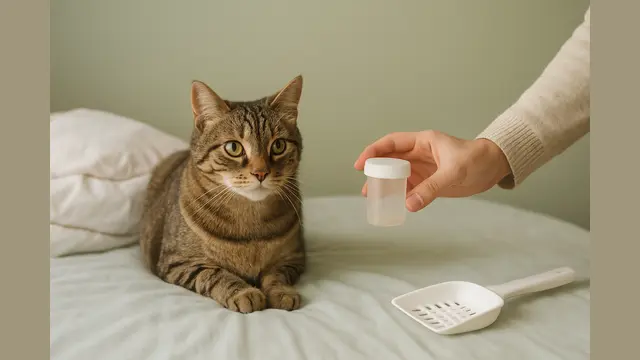
- Start with the stool. Give your puppy’s age, when you saw the change, and what the last usual stool looked like. Say whether this was one bowel movement or one of several. If there's a fresh sample available, ask about bringing it; don't delay leaving to collect one.
- Describe how your puppy is acting now. Report vomiting, belly pain, appetite changes, or unusual tiredness. If your puppy vomited, describe how often and what you saw, including anything that looked bloody or like wet coffee grounds. Tell the clinic if your puppy has become weaker since passing the stool.
- Have the health record handy if possible. The dates of vaccines and deworming are more useful than “up to date,” especially if your puppy is partway through a series. If you don't have the record yet, make the call anyway.
- Separate what you gave from what your puppy could have reached. For example, list a new treat you know your puppy ate separately from a medicine bottle you found open. Include supplements and over-the-counter remedies. That distinction lets the clinic ask about an exposure without assuming it happened.
What the vet can check, and what to ask before going home
The first question is how your puppy is doing now. The vet can check breathing, gum color, circulation, hydration, and the belly for pain. They can then use those findings and the timeline to choose tests. As the Merck guide to digestive disorders in dogs explains, the history and physical exam are the starting point; stool color is one clue, not the diagnosis.
Tests answer different questions. The clinic may examine stool under a microscope for parasites, use blood work if blood loss is a concern, or take X-rays if the history and exam suggest a blockage. Cornell’s guide to diarrhea in dogs explains why a stool sample can be useful and when a vet might look beyond it.
If your puppy goes home, ask what the clinic expects to change first, what to do if the next stool is still tarry, and whether any results are pending. Get instructions specific to your puppy rather than relying on a set number of hours for the stool to turn brown. Make sure you know whom to call after closing time. Trouble breathing, collapse, or pale gums with marked weakness means going for emergency care rather than waiting for a scheduled recheck.
Talk it through with Vicky
After contacting your clinic, you can tell Vicky what you are seeing right now. Vicky will bring in Dr. Ivan (Virtual DVM, DACVECC), our Emergency & Critical Care Specialist, to help you organize your observations and questions. If your puppy has emergency signs, go directly to the hospital without waiting for an online reply.
Common questions
What if the stool is partly brown or has a drop of bright-red blood?
Describe each part to the clinic: for example, a formed brown stool with a black, sticky patch and a red drop on the surface. You don't have to decide what the red drop means before calling about the tarry part.
Could liver treats, iron, or Pepto-Bismol explain the color?
Tell the clinic exactly what your puppy had and when, but don't assume a food or medicine explains a tar-like stool. If you gave a stomach remedy, have the label handy and ask your vet before giving any more.
Could the vet still test for hookworms if I haven’t seen worms or my puppy was recently dewormed?
Yes. The clinic can use a stool exam to look for evidence of parasites rather than relying on what you can see. Give the vet the dewormer’s name and the date it was given so they can decide what testing is appropriate.
Does black diarrhea mean my puppy has parvo?
Black diarrhea alone doesn't identify parvo. When you call, tell the clinic if your puppy is vomiting as well as having diarrhea and which vaccines they've had. Ask whether the clinic wants to test for parvo and where to take your puppy when you arrive.
Sources
- Merck Veterinary Manual — When to See a Veterinarian
- Texas A&M Veterinary Medicine & Biomedical Sciences — Examining Your Pets Stool
- Cornell University College of Veterinary Medicine — Diarrhea
- Merck Veterinary Manual — Gastrointestinal Parasites of Dogs
- Pet Poison Helpline — Dog & Cat Toxicosis From Human Medication
- Pet Poison Helpline — Rodenticide Reminder
- Introduction to Digestive Disorders of Dogs
- Evaluation and Initial Treatment of Dog and Cat Emergencies
- Hookworms in Dogs
- Parvovirus: Transmission to Treatment
- What to Do if Your Pet Is Poisoned
- Get the Facts about Pain Relievers for Pets