
Infectious contact: Page 2 of 2
32 guides about infectious contact: what to check, what it may mean, and when to call a vet.
Which infections can people catch from puppies, and how can I protect my household?
Learn which puppy infections can spread through poop, soil, skin, or saliva, how to clean up after accidents, and when to call your vet or your doctor.
Can my dog catch hand, foot, and mouth disease from someone in my household?
Dogs can’t catch human hand, foot, and mouth disease. Learn what to clean at home, when to call your vet about sores, and when to seek emergency care.

Can dogs catch a stomach bug from another dog, and when should vomiting or diarrhea prompt a vet visit?
Find out how stomach bugs spread between dogs, what to check if both dogs are sick, and which signs mean a same-day vet call or an emergency visit.
Can dogs get ringworm, and what signs should I look for?
Look for patchy hair loss, flakes, or crusts on your dog. Learn why ringworm need not itch or form a ring, when to call your vet, and how to limit spread.
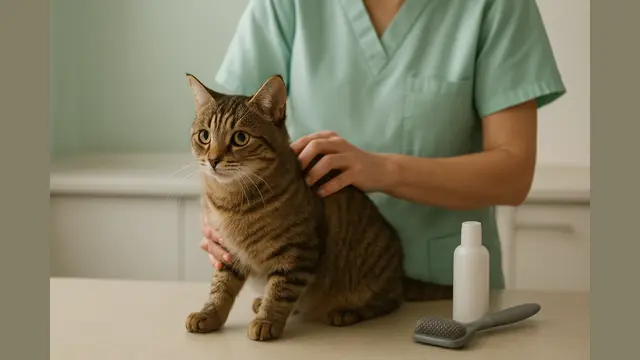
How do cats catch ringworm, and how can I keep it from spreading at home?
Find out how cats catch ringworm, which pets need a vet check, how to clean bedding and furniture, and when your cat can safely share space again.

What signs might suggest rabies in a cat, and what should I do if I suspect it?
Learn which changes in a cat can suggest rabies, when to call an emergency vet, and what to do right away if someone was bitten or exposed to saliva.
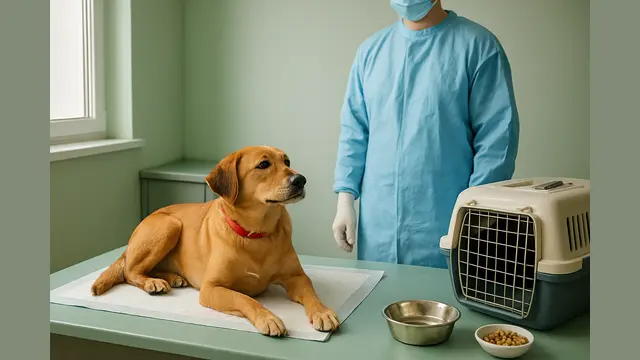
How do dogs catch parvo, and how can I protect my dog?
Learn how dogs pick up parvo, where puppies can go before their shots are complete, and when a possible exposure calls for a vet phone call or an emergency visit.
What signs could suggest rabies in a dog, and what should I do if I suspect it?
Learn which changes in behavior, swallowing, or movement can suggest rabies, who to call after a wildlife bite, and when a person needs medical advice.
