Can cats eat pork, and does it matter whether it's raw, cooked, or seasoned?
Learn which pork you can share with your cat, how to cook a safe bite, and what to do if your cat ate raw meat, a rib bone, or garlic-seasoned pork.
In this guide (8 sections)
- My cat already ate pork. What should I do?
- Check the sauce and pan juices, not just the meat
- What to tell the veterinary clinic
- How to prepare a safe bite of cooked pork
- Why not feed raw or previously frozen pork?
- What about bacon, ham, sausage, and fatty trimmings?
- How much pork fits into a cat's diet?
- Talk it through with Vicky
Yes. A healthy cat can have a small bite of plain, lean, boneless, fully cooked pork as an occasional treat. Skip raw pork, fatty trimmings, and seasoned meat; if your cat may have swallowed a bone or eaten anything made with onion or garlic, call your veterinarian now rather than waiting for symptoms.
My cat already ate pork. What should I do?
First, move the plate out of reach. Then work out what your cat actually got: a piece of meat, a lick of sauce, or part of a bone. Those details matter more than whether dinner was called a pork chop, a roast, or pulled pork.
| What happened | What to do |
|---|---|
| Your cat is struggling to breathe or has collapsed. | Go to an emergency veterinary clinic now. Don't delay to look up a recipe. |
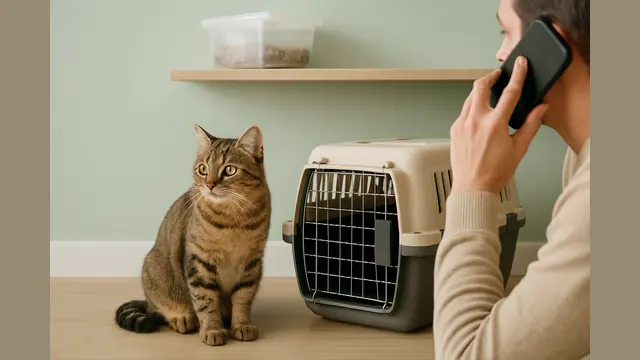
| A bone or part of one may be missing. | Call your veterinarian or an emergency clinic now, even if your cat seems comfortable. |
| The meat or juices may have contained onion or garlic. | Call your veterinarian or an animal poison control service now. Don't try to make your cat vomit unless a veterinarian directs you to. |
| Your cat ate raw or undercooked pork. | Check whether a bone or seasoning was involved, too. If it was plain meat, watch for illness and contact your veterinarian promptly if symptoms develop. |
| Your healthy cat ate one small bite of plain, lean, cooked meat and is acting normally. | That falls within ordinary treat guidance. No special treatment is usually needed; carry on with your cat's regular food. |
A stolen bite can happen even in a careful household. You don't need to prove your cat swallowed a bone before you ask for help. Texas A&M's guidance on sharing food with pets recommends immediate veterinary advice for a suspected bone or toxic ingredient.
Check the sauce and pan juices, not just the meat
Imagine that your cat licked the plate after a pork dinner. You accounted for the whole chop and the bone, but there was gravy on the plate. The useful question now is what went into the gravy? Your cat doesn't have to eat a visible piece of onion to have had some of the seasoning.
Check the recipe or ingredient list for the dry rub, marinade, barbecue sauce, or gravy. Look for onion, garlic, onion powder, and garlic powder. Cooked onion and garlic still count. The ASPCA's guide to barbecue foods distinguishes greasy scraps, which can cause digestive upset, from seasonings that can poison a pet. That's why a lick of garlic-seasoned juices calls for different advice than a bite of plain pork fat.
If onion or garlic is a possibility, make the call even if your cat is walking around and seems hungry. Signs of poisoning can be delayed; looking well now doesn't settle the question. The Merck Veterinary Manual's guide to onion and garlic poisoning explains why these ingredients are a particular concern for cats.
What to tell the veterinary clinic
Start with the detail that prompted the call: “a piece of rib bone is missing” is more useful than “my cat ate pork.” If you're calling about seasoning, have the package or recipe handy if it's within reach. Be ready to describe:
- What your cat ate: raw or cooked meat, fat, bone, sauce, or plate residue.
- How much and when: a lick, a bite, or a missing piece, and roughly when it happened. Say if you don't know.
- How your cat is acting: whether they're breathing normally, eating, vomiting, having diarrhea, or unusually tired.
These details help the clinic decide whether your cat needs an examination now or can be watched at home. You don't need an exact weight for a missing scrap or an exact amount of garlic powder to call. If the clinic recommends watching your cat, ask which changes should prompt a visit and how long to keep watch for that particular exposure.
How to prepare a safe bite of cooked pork
The easiest time to choose a treat is before you season dinner. A piece from inside a finished roast isn't necessarily plain if the whole cut was brined or marinated. The ASPCA's food-sharing guidance recommends lean cooked pork without bones or seasonings, in small amounts.
- Start with fresh, unseasoned meat. A lean piece of pork tenderloin or loin chop is a practical choice. If it came packaged, check whether salt, a rub, or a marinade has already been added.
- Separate your cat's portion. Remove the bone and trim visible fat. Cook the plain meat apart from any sauce or seasoned pan juices intended for your meal.
- Use a food thermometer. For a whole chop, loin, or roast, the center should reach at least 145°F, followed by a rest of at least 3 minutes. For ground pork, use 160°F. The FDA's cooking temperature guide gives the targets for each. Don't use the roast temperature for a ground pork patty.
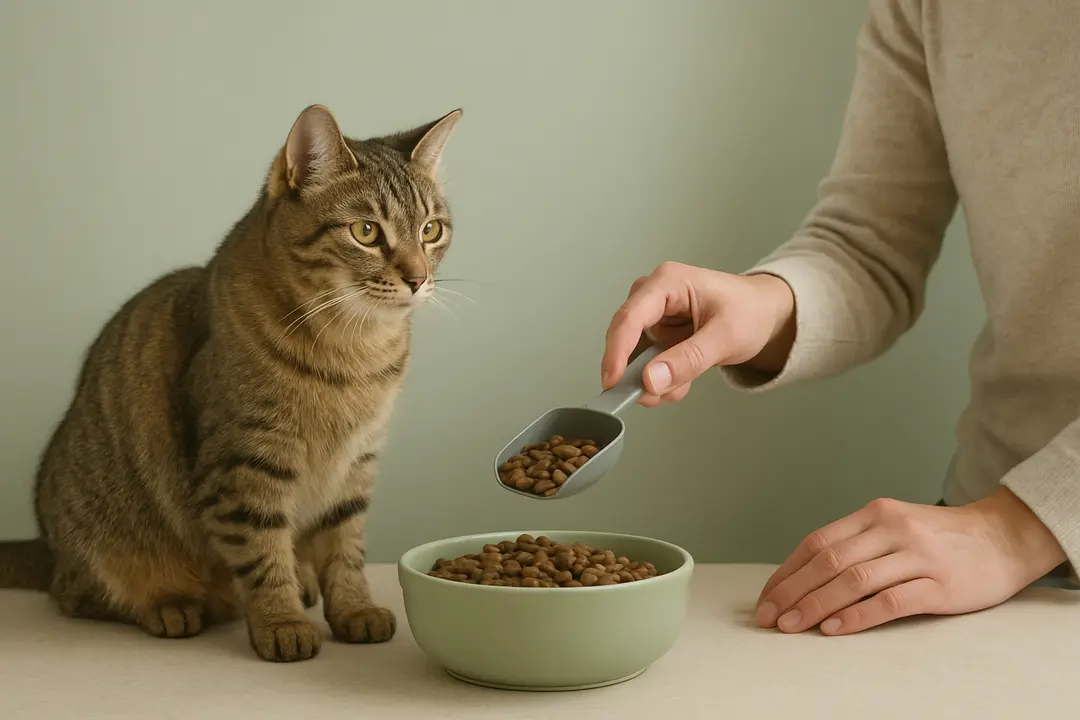
- Offer a small bite, not the piece you cooked. Set the rest aside rather than adding a slice to your cat's usual dinner. Leave off the gravy, even if that's the part your cat is asking for.
Why not feed raw or previously frozen pork?
Raw or undercooked meat can carry parasites as well as bacteria such as Salmonella. One parasite cats can get from infected meat is Trichinella. But the feeding decision doesn't depend on which parasite might be present: a step that controls a parasite isn't necessarily enough to make raw meat safe from bacteria.
Freezing isn't a substitute for cooking. Some bacteria survive freezing or freeze-drying, so thawed supermarket pork and freeze-dried raw pork shouldn't be treated as cooked treats. The World Small Animal Veterinary Association's raw meat guidance also points out that the risk extends to people handling contaminated food or pet waste.
If your cat stole some plain raw pork, think about both your cat and the kitchen. Clean and disinfect the bowl, utensils, and surfaces the raw meat touched. Over the next few days, pay attention to appetite, energy, vomiting, and diarrhea. If your cat develops symptoms, call your veterinarian and mention the raw pork. Repeated vomiting, significant diarrhea, or a cat who seems weak or won't eat warrants prompt assessment. Texas A&M's guide to Salmonella infections describes the signs to report.
What about bacon, ham, sausage, and fatty trimmings?
Skip these as treats. Bacon and cured ham are salty; bacon fat and the fatty edge of a chop can upset your cat's stomach. Sausage adds another question: what was mixed into the ground meat? Cooking it thoroughly addresses the raw-meat concern, but it doesn't remove salt or make garlic or onion safe.
If your cat likes ham, you don't have to find a deli variety with slightly less salt. A small bite of fresh, plain cooked loin gives you control over what's in the treat. The same distinction applies to pulled pork: shredding plain cooked meat is different from pulling a morsel out of a seasoned barbecue dish.
How much pork fits into a cat's diet?
Keep all treats together at no more than about 10% of daily calories. That's a ceiling, not a goal or a pork allowance on top of other snacks. For example, if your cat has already had their usual treats today, count those before offering a piece of dinner. There's no single slice size that fits every cat.
The remaining food should be your cat's complete and balanced diet. Plain muscle meat is a treat, not a replacement for that meal. If you'd like to share pork occasionally, it's easier to set aside one small bite than to let your cat keep returning to the plate. If your cat eats a prescribed diet, ask your veterinarian whether pork belongs in their treat plan before offering it. The World Small Animal Veterinary Association's guide to cat treats explains how to keep extras from displacing balanced food.
Talk it through with Vicky
For help choosing a treat, you can tell Vicky what you're seeing right now, what kind of pork you have, and what your cat usually eats. Vicky will bring in Sam (Virtual PhD (Animal Nutrition)), our animal nutritionist, to help you decide how it fits. For a suspected bone or toxic seasoning, call your own veterinarian now.
Common questions
Is a slightly pink pork chop safe for my cat?
Pinkness alone doesn't answer that. Use a thermometer: a whole chop needs to reach at least 145°F and rest for at least 3 minutes; ground pork needs to reach 160°F. Only share meat that's also plain, lean, and boneless.
Can my cat chew a pork rib bone if I've taken all the meat off?
No. Removing the meat still leaves a bone your cat could swallow. If your cat has already chewed it and a piece may be missing, call your veterinarian or an emergency clinic now.
Do I need to know how much garlic gravy my cat licked before calling?
No. Call your veterinarian or an animal poison control service now and describe what you know, even if all you saw was your cat licking the plate. Have the ingredient list handy if possible, but don't wait for symptoms or an exact estimate.
Is pork in my cat's regular food different from giving pork every day?
Yes. If the food is labeled complete and balanced for your cat, pork is an ingredient in a whole diet. A piece of cooked pork on its own isn't a balanced meal and counts toward the daily treat limit instead.
Can I use a little cooked sausage instead of plain ground pork?
Skip the sausage. Even when fully cooked, it can contain salt, fat, and seasonings such as onion or garlic. Choose unseasoned lean meat instead so you know what you're offering.
Sources
- ASPCA Animal Poison Control — Sharing is Caring: Foods You Can Safely Share with Your Pet
- Texas A&M Veterinary Medicine — Paws Before You Pass the Plate
- FDA — Cooking (Food Safety for Moms-to-Be)
- Merck Veterinary Manual — Trichinellosis (Trichinosis) in Cats
- WSAVA Global Nutrition Committee — Raw Meat Based Diets for Pets
- FDA — Advisory on Salmonella in Two Lots of Darwin’s Chicken Recipe Cat Food
- Texas A&M Veterinary Medicine — The Hidden Dangers of Salmonella Infections
- ASPCA Animal Poison Control — What BBQ Staples Are Dangerous to My Pet?
- Merck Veterinary Manual — Garlic and Onion (Allium spp) Toxicosis in Animals
- WSAVA Global Nutrition Committee — Feeding Treats to Your Cat
- Pet Poison Helpline — Triaging a Potentially Poisoned Pet at Home