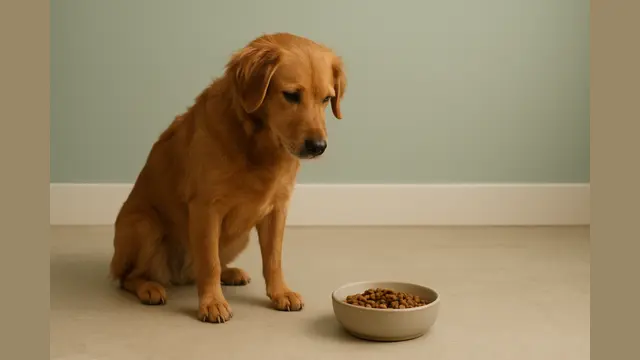
Is Pedialyte safe for dogs, and when does a dog who seems dehydrated need a vet?
Learn what to check after a sip of Pedialyte, how to offer your dog water safely, and which signs of dehydration or illness mean a vet visit can’t wait.

In this guide (6 sections)
A small accidental sip of plain, unflavored Pedialyte is unlikely to harm most healthy dogs, but it has no demonstrated advantage over fresh water for mild dehydration. If your dog seems dehydrated, won’t drink while ill, or has ongoing vomiting or diarrhea, call your vet today. Go to an emergency vet now if your dog repeatedly vomits and can’t keep even water down, collapses, is too weak to stand, or struggles to breathe.
Can your dog drink and keep water down?
First, look at your dog, not the bottle. A dog who walks to the bowl, drinks, and goes back to their usual activity is in a different situation from one who wants water but vomits after every drink. And a dog who keeps some water down can still need emergency care. Use the most urgent row that fits what you see.
| What you notice | What to do |
|---|---|
| Your dog collapses, cannot stand, struggles to breathe, or seems confused after heat exposure. | Go to an emergency vet now. Don’t wait to check the gums or try a drink first. |
| Vomiting won’t stop or even water comes back up. There is blood in vomit, profuse or bloody diarrhea, or repeated vomiting or diarrhea with marked or worsening weakness. | Go to an emergency vet now. Keeping down an occasional sip does not cancel out these signs. |
| None of the emergency signs are present, but your dog seems dehydrated, refuses water while sick, is less active than usual, or continues to vomit or have diarrhea. | Call your vet today. Describe what your dog can drink, what stays down, and what they’re still losing. |
| Your dog is alert, can swallow normally, isn’t vomiting, and appears mildly thirsty without other signs of illness. | Offer fresh water and watch what happens after your dog drinks. You don’t need to buy Pedialyte. |
The University of Illinois guide to stomach upset distinguishes one vomit in an otherwise well dog from vomiting that prevents even water from staying down. When you describe your dog’s energy, be specific, too. “Less interested in a walk but gets up normally” is different from “getting weaker after each episode and now struggling to stand.” The latter belongs in emergency care. Texas A&M’s emergency service lists inability to stand, difficulty breathing, bloody vomit, and profuse or bloody diarrhea among reasons for immediate evaluation.
If your dog already drank Pedialyte, check the container
If an otherwise healthy dog took a sip from your cup, the first question is what was in it. If you offered the drink because your dog was already ill, there are two questions: what did they swallow, and why weren’t they drinking normally in the first place?
- Find the original package. Read the ingredients rather than relying on the flavor, color, or what you remember buying. If you’re not certain what the drink was, check for xylitol, also called birch sugar or wood sugar. This is a precaution for an uncertain product, not a claim that Pedialyte contains xylitol.
- If you suspect your dog swallowed xylitol, call now. Call your veterinarian, an emergency veterinary clinic, or an animal poison control center. Don’t wait for symptoms or make your dog vomit unless a veterinarian tells you to. The FDA’s xylitol warning for dog owners and Pet Poison Helpline’s xylitol guide identify the alternate label names and advise an immediate call.
- Keep the label handy for the call. Give the exact product name, the time your dog drank it, the estimated amount swallowed, and your dog’s weight. If you found a tipped cup, say how much was in it and how much appears to have spilled. An estimate is useful; don’t delay the call to measure the spill.
If you confirm it was a small sip of plain, unflavored Pedialyte and your dog was well beforehand, offer their usual fresh water. If your dog was sick beforehand, tell your clinic which signs started before the drink. Tolerating a sip doesn’t tell you why those signs began.
How to check for dehydration and offer water safely
For a dog without emergency signs, a few observations can help you decide what to tell your vet. You don’t have to prove that your dog is dehydrated before calling.
- Look at the mouth and eyes. If your dog is comfortable with it, lift the lip and notice whether the gums feel dry or sticky. Look for eyes that appear more sunken than usual. These are clues to report, not a measure of exactly how much fluid your dog has lost.
- Don’t rely on a skin pinch. Skin that stays raised briefly instead of settling back into place can be another clue. But the test can mislead. A normal-looking result should not outweigh dry gums, a clear drop in energy, or ongoing fluid loss. Veterinary Partner’s dehydration first-aid guide explains the limits of the skin check.
- Watch a voluntary drink. If your dog is alert, swallows normally, and isn’t vomiting, offer small amounts of fresh water frequently. Notice whether they swallow and keep it down. Sniffing the bowl and walking away isn’t the same as drinking; tell your vet which you saw.
An oral electrolyte solution is a drink that supplies water and salts. It’s understandable to reach for one when your dog seems thirsty, but PetMD’s guidance on Pedialyte for dogs finds no demonstrated benefit over water for mild dehydration. Switching flavors or changing a mixing ratio won’t address an illness that’s causing continued vomiting or diarrhea.
Don’t force or syringe liquid into a weak or vomiting dog. If a dog doesn’t swallow normally, liquid can enter the lungs and cause an infection called aspiration pneumonia. The MSD Veterinary Manual’s guide to pneumonia in dogs describes this risk with persistent vomiting and improperly given liquids. A sick dog who won’t drink needs veterinary advice, not a way to get a set amount into their mouth.
After a hot walk, distinguish thirst from possible heatstroke
Fresh water is appropriate for a thirsty dog who is alert and drinking normally after a walk. Heavy panting after heat exposure together with weakness, confusion, or collapse is different. Those signs suggest possible heatstroke. Go to an emergency hospital now rather than waiting to see whether a drink helps. Both Cornell and Ohio State identify heatstroke as an emergency.
Tell the emergency clinic about the heat exposure and the change you saw. Cornell’s heatstroke guidance advises wetting your dog with cool water right away and using air conditioning during transport. The aim is to start cooling while getting your dog to the hospital, not to wait at home for the panting to settle.
What to tell the clinic and what to watch next
Start with the change that prompted your call. For example, if your dog vomited once yesterday but today brings up water after every drink, lead with what’s happening today. Say when your dog last kept a drink down, whether vomiting or diarrhea is continuing, whether you’ve seen blood, and whether your dog can get up and walk normally. Report what you know; you don’t need a complete timeline before leaving for emergency care.
Your vet can assess the fluid loss and look for its cause. Those are separate decisions: even if your dog is willing to drink, the vet still needs to consider what’s being lost through vomiting or diarrhea. Ask whether voluntary drinking is appropriate now or whether your dog needs fluids at the clinic.
If your vet advises monitoring at home, ask what improvement they expect and when they want an update. Note what happens after drinks, whether the vomiting or diarrhea stops, and whether your dog returns to their usual level of activity. If the pattern changes from keeping water down to repeatedly bringing it back up, or your dog develops any of the emergency signs above, seek care rather than waiting for the planned update.
Talk it through with Vicky
For a nonemergency question, you can tell Vicky what you’re seeing right now, including what happened after your dog’s last drink. Vicky will bring in Dr. Andy (Virtual DVM), our virtual general practice specialist, to help you sort through those observations. For emergency signs or suspected xylitol exposure, contact your vet or the appropriate emergency service directly.
Common questions
My dog is eating again but still won’t drink. Does that mean they’re recovering?
A returning appetite doesn’t tell you whether your dog is taking in enough fluid. If your dog has been sick and still refuses water, call your vet today and mention both changes, along with any ongoing vomiting or diarrhea.
If my vet recommends Pedialyte, which product and dilution should I use?
Ask your vet to name the exact product and explain whether to dilute it, how much to offer, how often, and when to stop. If your dog has started vomiting or won’t drink voluntarily since you got those instructions, report the change rather than adjusting the mixture yourself.
Does the advice about a small sip apply to a puppy or a dog with diabetes, kidney disease, or heart disease?
The reassurance about a small accidental sip in most healthy dogs isn’t a treatment plan for a sick puppy or a dog with a chronic condition. Tell your clinic your dog’s age, weight, medical conditions, what they drank, and how they’re acting so the advice fits your dog.
How do I know if my dog needs fluids under the skin or through an IV?
You don’t need to choose the type of fluid treatment at home. Your vet can assess the losses and their cause to decide whether drinking is enough or fluids should be given at the clinic. Repeated vomiting that prevents even water from staying down calls for emergency assessment, regardless of which treatment your dog ultimately needs.
Sources
- PetMD — Pedialyte for Dogs: Is It Safe?
- Cornell Riney Canine Health Center — When to Go to the ER
- University of Illinois College of Veterinary Medicine — GI Upset in Cats and Dogs
- Cornell University College of Veterinary Medicine — Heatstroke: A Medical Emergency
- MSD Veterinary Manual — Pneumonia in Dogs
- U.S. Food and Drug Administration — Paws Off Xylitol; It's Dangerous for Dogs
- Pet Poison Helpline — What to Expect When You Call
- Emergency Medicine — Texas A&M Veterinary Medical Teaching Hospital
- What Constitutes a Pet Emergency? — Ohio State University Veterinary Medical Center
- Dehydration: First Aid — Veterinary Partner
- Sickeningly Sweet: Xylitol Toxicity in Dogs — Pet Poison Helpline