Dog spay recovery: what is normal, and what is not?
Mild bruising or swelling can be normal after a dog spay. Learn how to check the incision, care for your dog at home, and recognize when she needs help.
In this guide (5 sections)
Your dog may be quieter than usual on the first day after a spay. A little bruising, swelling, or firmness around a closed incision can also be normal early on. Call the surgery clinic if you notice ongoing drainage, pus, or a bad smell. Heavy bleeding, trouble breathing, or collapse means she needs emergency care now.
What to expect on the first day
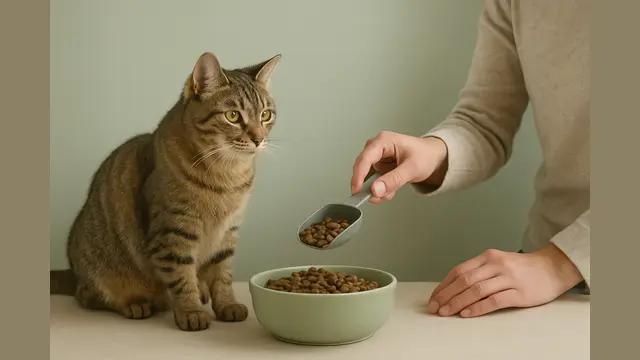
Give your dog access to water and offer a small meal at first rather than her usual full portion. Follow the feeding instructions from the clinic that did her surgery. When she needs to go outside, take her out on a leash and keep the outing short. A bathroom break is enough; it doesn't need to turn into her usual walk.
Pay attention to how she acts when she's awake, not just how much time she spends resting. If she seems unusually tired, note whether she's becoming more alert or staying just as sluggish. If vomiting, diarrhea, or unusual tiredness continues beyond the first day, call the surgery clinic. You don't need to wait until then if you're already worried about how she's doing.
How to check the incision
Look at the incision in good light when your dog is settled. You want to see whether the edges still meet and whether any changes are limited to the skin right around the cut. You don't need to press on a firm spot or pull at the edges to check it.
- Look at the edges. Mild bruising or a little puffiness can happen around an incision that stays closed. If the edges no longer look closed, call the surgery clinic.
- Compare it with your last check. A small amount of swelling is different from swelling that's getting bigger. If the area looks more swollen rather than staying mild, describe the change to the clinic.
- Watch for fluid or odor. Ongoing drainage, pus, or a bad smell isn't part of expected healing. Call the clinic about any of these signs, even if your dog seems more like herself otherwise.
Keep the incision dry and outings short
Keep the incision dry. Don't rinse it to get a better look at a spot you're concerned about. If the area looks wet and you can't tell whether fluid is coming from the incision, let the clinic know what you're seeing. Mention whether you noticed the wetness once or whether it keeps coming back.
Stick to short leash outings while following the activity instructions on your dog's discharge sheet. Even if she's eager to go farther, use those instructions to decide when to return to her usual walks. How lively she seems doesn't tell you whether the incision has healed.
When to call the surgery clinic
Call about a change at the incision, such as opening, increasing swelling, ongoing drainage, pus, or an odor. Also call if your dog is still vomiting, has diarrhea, or remains unusually tired beyond the first day. Mention both changes in behavior and changes at the incision if you've noticed them; a cut that looks closed doesn't explain how she's feeling overall.
Tell the clinic when the spay took place, when you first noticed the change, and whether it's getting better or worse. For vomiting or diarrhea, say how many times it's happened and when it last happened. For an incision concern, describe what you can see without touching the area.
When to go to an emergency vet
Go to an emergency veterinary hospital now if your dog has any of these signs:
- Collapse or trouble breathing
- Gums that look an abnormal color for her
- Heavy bleeding
- A belly that looks swollen or seems painful
A little puffiness at the incision isn't the same as swelling of the belly. If her belly looks swollen or she seems to have belly pain, don't press on it to check. For any of these emergency signs, don't wait for the surgery clinic to call back or for the next scheduled checkup.
Common questions
Can I bathe my dog after she is spayed?
Keep the incision dry during recovery. Ask the surgery clinic when your dog can have a bath again.
Can my dog drink water the night she comes home after a spay?
Yes, give her access to water. For food, start with a small meal and follow the instructions from her surgery clinic.
Is a firm spot next to my dog's spay incision normal?
A little firmness around a closed incision can be normal early in recovery. Call the surgery clinic if the swelling grows, the incision opens, or you notice ongoing drainage, pus, or a bad smell.