
How often should I bathe my dog based on their coat, skin, and activity level?
Set a bath routine that fits your dog’s coat and skin. Learn when to wipe muddy paws, rinse after a swim, use dog shampoo, or call your vet about odor.
In this guide (7 sections)
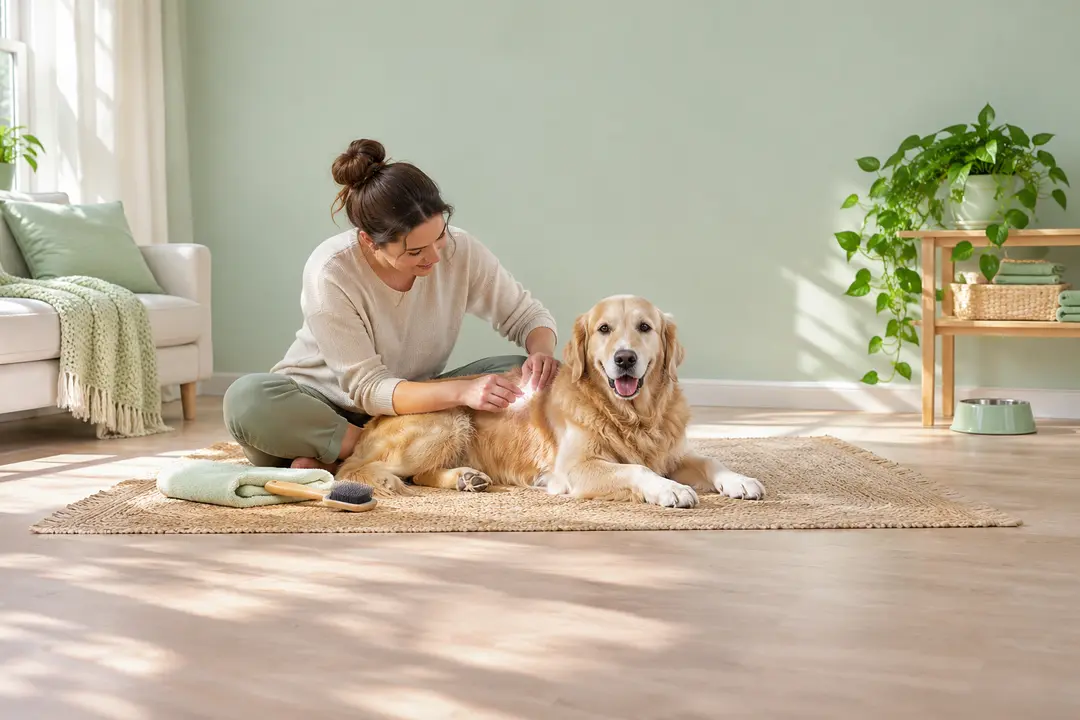
For a healthy dog with a smooth coat that stays clean, a shampoo bath every two to three months can work; a dog that regularly gets dirty all over may need one about monthly or sooner. Between baths, brush out loose or tangled hair, wipe muddy areas, and rinse after swimming. If your vet prescribed baths for a skin condition, follow that schedule instead.
Set a bath schedule around what gets dirty
The ASPCA’s dog grooming guidance recommends a routine bath at least once every three months, with more frequent washing when needed. That gives you a starting point for a healthy dog, not a reason to wait three months after your dog rolls in something foul. Nor does it mean that a dog who goes outside every day needs shampoo every week.
Think about the last time your dog needed a full bath. Was there dirt throughout the coat, or did you wash the whole dog because the paws were muddy? If a damp towel would have taken care of the mess, keep one by the door for the next walk. If your dog regularly comes home with grime worked through the coat, plan to bathe more often. The amount of exercise matters less than what comes home on your dog.
Before deciding to wash, part the hair and look at the skin beneath it. A comfortable dog with dirty hair needs a cleanup. A dog with clean hair who keeps scratching needs a different kind of attention. More shampoo isn’t the answer to both problems.
Match the grooming job to your dog’s coat
Coat type tells you more about what to do between baths than it does about the exact number of weeks between them. Use the brush and the bath for different jobs: brushing removes loose hair and helps prevent tangles; a bath washes dirt out of the coat.
| Coat type | What to check and do |
|---|---|
| Short, smooth coat | Wipe surface dirt with a damp towel. If the dirt comes away, the rest of the coat is clean, and the skin looks like it usually does, you don’t need a full bath after that outing. |
| Long, silky, or curly coat | Brush daily to help prevent mats, which are tight tangles in the hair. Check behind the ears and where the front legs meet the body. A Poodle can need attention in those spots every day without needing daily shampoo. |
| Double coat | Look beneath the outer hairs for a dense, softer layer called the undercoat. It can shed in clumps at certain times of year. If you find loose hair rather than dirt, brush it out rather than bringing the bath date forward. |
| Hairless or sparsely coated | Judge the skin, not the amount of hair. Some hairless dogs, such as the Xoloitzcuintli, may need frequent baths. If you’re unsure what interval suits your dog, ask your vet to help you set one. |
A Labrador Retriever, for example, can have short hair and a double coat. If you’re finding tufts on the floor, a routine for smooth hair that only calls for an occasional wipe misses the undercoat. VCA’s guide to coat care explains how seasonal shedding differs from matting, while the American Kennel Club’s bathing guide explains why even a dog with very little hair may need regular washing.
After a muddy walk or swim: wipe, rinse, or shampoo?
- Wipe a local mess. Check the paws, lower legs, and belly after a walk. Use a damp towel to lift away mud or sand. If the towel takes it off and the rest of the dog is clean, stop there. You may do this several days in a row during wet weather without changing the full-bath schedule.
- Rinse away grit and swimming water. If a towel leaves grit in the hair, rinse the dirty area with plain water and towel it dry. After swimming, rinse the areas that got wet with fresh water, even if you can’t see dirt. Pool chlorine, sea salt, and debris can stay against the skin and irritate it. VCA’s water safety guide recommends rinsing after a swim; that’s different from shampooing after every dip.
- Give a full bath when the mess is widespread. Picture the same muddy-pawed dog rolling on something smelly and rubbing it from shoulder to rump. If wiping or rinsing won’t lift it out, wash the coat with dog shampoo. You don’t need to wait until the next planned bath when you know what caused the smell and where it is.
How to give a routine shampoo bath
Use lukewarm water and a shampoo made for dogs rather than human or baby shampoo. Wet the coat through, then work the shampoo into the dirty hair. On a dense coat, use your fingers to part the hair in a few places so you can reach beyond the outer layer.
Rinse thoroughly with lukewarm water. Check underneath the chest, along the belly, and through the thickest hair rather than judging by the clean-looking back alone. If you still see suds when you part the coat, keep rinsing. Towel-dry your dog thoroughly, including the legs and underside.
Over the next few days, notice whether your dog is comfortable and whether the coat stays clean until the next outing. That gives you a useful comparison: a smell after another roll outdoors has an explanation; the same smell returning while the dog is still clean is worth discussing with your vet.
When itching or odor needs a vet, not another bath
Book an appointment with your regular vet if your dog keeps scratching, an unusual odor keeps returning without a new mess, or you notice redness, sores, flaking, or a newly greasy coat. These can be signs of skin inflammation. A sour smell doesn’t tell you what caused it or which product to buy. Skin problems can happen even when you’ve been careful about grooming.
Tell the clinic what changed first. Was your dog already scratching before the bath, or does scratching start after you use a particular shampoo? Give the product name, the dates of recent baths or swims, and the areas of skin that look different. If the smell disappeared with washing, say how long it was gone. Those details help your vet look for the cause, including whether there may be an infection, rather than treating odor as a cleanliness problem.
An emergency looks different from a recurring coat problem. A suspected severe allergic reaction needs emergency care. If your dog struggles to breathe or suddenly collapses around bath time, go to an emergency veterinary clinic now; don’t wait to find out whether the shampoo was involved. PDSA’s guide to skin problems distinguishes skin changes that need an appointment from a severe allergic reaction, and Cornell’s emergency guide identifies breathing difficulty and collapse as reasons to go now.
Why medicated baths have their own schedule
A prescribed bath is a skin treatment. Your vet may select different shampoos for allergies, bacterial infections, or yeast infections. That’s why neither a breed chart nor the instructions that worked for another dog can tell you how to use your dog’s product.
Before the first treatment, check which shampoo to use, how often to bathe, and how long the product should stay on the skin before rinsing. That last interval is called contact time. Work the shampoo through the hair so it reaches the skin; timing it while it sits only on top of a thick coat misses the treatment area. Follow your clinic’s directions for rinsing. VCA’s guide to medicated shampoo explains why skin contact matters. If the bottle and your written instructions leave you unsure about timing, ask the prescribing clinic before the bath.
Talk it through with Vicky
You can tell Vicky what you’re seeing right now: where your dog gets dirty, what the coat feels like, and whether there’s itching or odor between washes. Vicky will bring in Dr. Nadia (Virtual DVM, DACVD), our veterinary dermatologist, to help you sort out a grooming routine and what to discuss with your own vet.
Common questions
Is a weekly bath too often if my dog gets muddy every day?
Count full shampoo baths separately from paw and belly cleanups. If a wipe or water rinse removes the daily mud, there’s no need to add a weekly shampoo bath for that reason alone.
Does my dog need a rinse after swimming in a freshwater lake?
Yes. Salt and chlorine aren’t the only reasons to rinse: lake water can leave debris in the coat, too. Rinse with fresh water after the swim and towel-dry.
Does bath day replace daily brushing for my curly-coated dog?
No. Washing removes dirt, while daily brushing helps keep curls from matting. Check the hair behind the ears and under the front legs even when the rest of the coat looks tidy.
Should I switch shampoos if my dog scratches after every bath?
Rather than testing one new shampoo after another, tell your vet which product you used and when the itching started. Repeated itching deserves a skin assessment; the timing alone doesn’t prove your dog is allergic to the shampoo.
Can I space out medicated baths once my dog smells better?
Check with the prescribing clinic before changing the schedule. The baths are treating a skin condition, so a change in odor alone doesn’t tell you when to reduce or stop them.
Sources
- Tips for Bathing a Dog at Home — Preventive Vet
- Dog Grooming Tips — ASPCA
- Grooming and Coat Care for Your Dog — VCA Animal Hospitals
- How Often Should You Bathe Your Dog? — PetMD
- The Dos and Don’ts of Home Dog Grooming and Hygiene — American Kennel Club
- The Dos and Don’ts of Dog Water Safety — VCA Animal Hospitals
- Dermatitis and Dermatologic Problems in Dogs — Merck Veterinary Manual
- How to Bathe Dogs with Medicated Shampoo — VCA Animal Hospitals
- American Kennel Club — How Often Should You Bathe Your Dog?
- Washington State University Veterinary Teaching Hospital — Bathing Your Dog
- PDSA — Skin Problems in Dogs: An Overview
- Cornell Riney Canine Health Center — When to Go to the ER


