How can I get rid of fleas on my cat and keep fleas in my home from reinfesting them?
Start flea treatment and cleaning on the same day. Learn what to use on each pet, where to vacuum, and what to do if live fleas keep appearing.
In this guide (6 sections)
Treat your cat with a vet-recommended, cat-labeled flea product and start cleaning their favorite sleeping spots the same day. Protect every dog and cat in the home, even those that aren’t scratching, with a product meant for that animal. Keep prevention on schedule: killing the adult fleas on your cat today won’t stop fleas already developing in your home from emerging later.
Check your cat before you start cleaning
If your cat has very pale gums, is markedly weak, or is struggling to breathe, go to an emergency veterinary clinic now. Don’t wait to find a flea first. This is especially important in a flea-covered kitten. As the Cornell Feline Health Center explains, fleas can take blood faster than a kitten can replace it. The resulting shortage of red blood cells, called anemia, can become dangerous quickly.
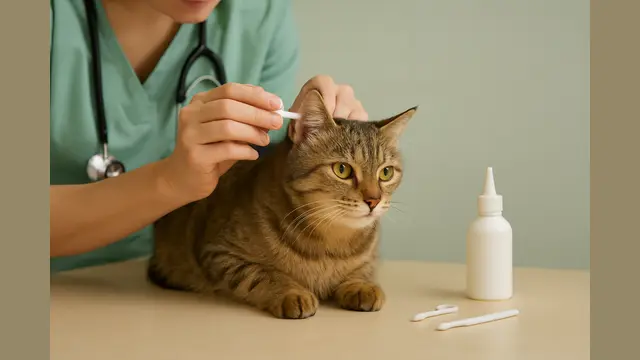
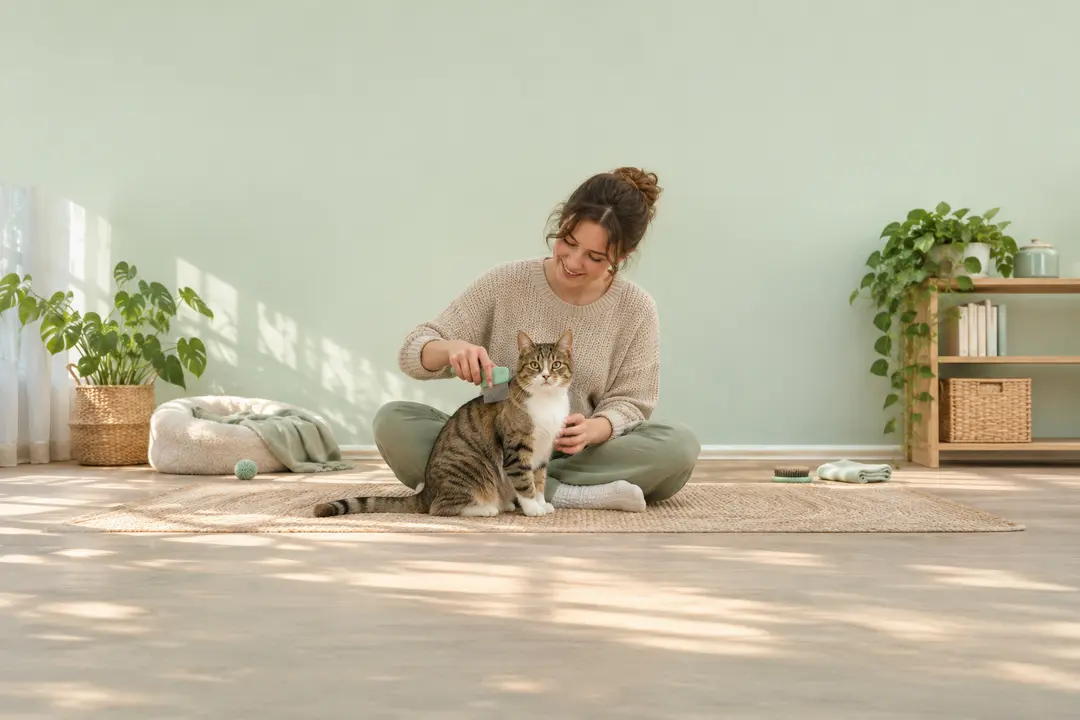
If your cat seems well, part the fur and run a flea comb close to the skin around the neck and where the tail joins the back. Look at what the comb picks up. A moving flea is direct evidence; pepper-like flecks may be flea dirt, the droppings fleas leave behind. If all you’ve noticed is scratching, tell your clinic that rather than assuming there are live fleas. If the scratching is intense, continues, or leaves sores, arrange a regular veterinary appointment even if you find nothing on the comb.
Choose a treatment that does the job you need
- Match the product to the pet. Check the species, age, and weight on the label before opening it. Have the package handy if you call your vet, especially for a kitten or a cat that has already had a flea treatment. The useful question is, “What can I use for this cat, given what I’ve already used and when?”
- Distinguish quick relief from lasting protection. A comb removes the fleas it catches, but it offers no protection afterward. One oral medicine, nitenpyram, starts killing adult fleas in about 30 minutes. Its effect is brief, and it has age and weight limits. If you use a short-acting treatment, ask your vet what will protect your cat as new fleas emerge. Don’t assume you need to buy or combine two medicines.
- Include the pets that aren’t itching. Not every pet with fleas scratches. Arrange suitable treatment for all household dogs and cats on the same day rather than waiting for the next pet to show signs. If a pet is already on prevention, check when their next treatment is due instead of giving an extra one. Write each pet’s name, product, and next due date on your calendar; the schedules may differ.
Never use a dog-only flea product on a cat. Some dog spot-on treatments contain concentrated permethrin, an insecticide that can poison cats. Your cat can be exposed without anyone applying it to them: licking the wet spot on a dog or licking residue off their own coat after contact is enough. Keep your cat apart from a recently treated dog until the application has dried completely.
If a dog-only flea product gets on your cat, or your cat licks it from a treated dog, call your veterinarian or an animal poison control service now. Have the label ready and describe the contact. Don’t try to make your cat vomit unless a veterinarian tells you to. The Pet Poison Helpline’s flea-treatment guidance explains why contact with a wet dog treatment matters.
Focus your cleaning on the places your pets rest
Think of flea control as two jobs with different targets. The treatment on your cat tackles fleas on the animal. Cleaning tackles the places where immature fleas develop, including bedding and the floor beneath it. Some fleas are still inside cocoons during your first cleanup. That’s why even a careful owner can treat a cat correctly and see another flea afterward. The CDC recommends starting pet treatment and household cleaning together.
To decide where to start, picture where your cat slept yesterday. The blanket on the couch, the rug beneath a favorite chair, and the spot under your bed may matter more than a store-bought cat bed your cat rarely uses. Include the dog’s sleeping spots, too.
- Vacuum daily at first. Start at those resting places. Lift couch cushions, reach under furniture, and run the vacuum along floor edges and cracks near baseboards. If time is short, work outward from the places your pets actually use rather than spending the whole session on the open carpet.
- Discard the vacuum waste after each use. Make emptying the canister or disposing of the bag the last part of the cleaning session, not a task you leave until the vacuum is full.
- Wash pet bedding weekly. Include washable bed covers and the throws or blankets your cat lies on. Use a hot wash where the fabric care label allows it. For a sleeping spot that won’t fit in a washer, such as an upholstered chair, include the seat, cushion edges, and floor beneath it in your vacuuming route.
Texas A&M’s flea-control guide pairs this routine with continued prevention on every pet. A practical way to keep track is to set one weekly bedding reminder and separate reminders for each animal’s treatment. A laundry day is not necessarily a day to give more medicine.
What to do if you still find live fleas
A flea you find after treatment may have emerged from a cocoon in your home. One sighting does not tell you whether the product failed or whether your cat needs something else. The more useful question is whether you’re finding fewer live fleas as you continue the plan.
Check the same parts of your cat’s coat with the comb so you can compare findings. Make a short note of the date, which pet you checked, and whether you found moving fleas, dark specks, or neither. Track scratching separately. Those observations lead to different next steps:
- Sightings are becoming less frequent: Continue cleaning and keep all pets on their prevention schedules. Maintain year-round protection rather than stopping when the fleas disappear from view.
- You keep finding as many live fleas as before: Check for a missed pet, a short-acting product, or a resting spot you’ve overlooked. Call your clinic with the product names, dates used, and your observations before switching products or repeating one early. That gives the clinic a way to check for a gap in protection without guessing what your cat has already received.
- Your cat keeps scratching or has sores, but you aren’t seeing fleas: Book a regular appointment so your vet can examine the skin. Another round of spraying won’t tell you why your cat still itches. The PDSA’s guide to fleas on cats recommends an appointment for flea-related skin problems.
When to get help treating the home
For an established infestation, including one that was present when you moved in, consider a licensed pest professional. Tell them where you’re finding live fleas, where the animals rest, and which rooms or fabrics you’ve already treated. Ask which areas need work before committing to spraying the whole home. An indoor flea product containing an insect growth regulator targets immature fleas; it does not replace treatment for the adults on your pets.
If you use a household insecticide, read the label before you start. It should list both fleas and indoor use. Never apply a household spray to your cat. Plan where the pets will stay, take bowls and toys out of the treatment area, and follow the directions for ventilation. Keep animals out until treated surfaces are completely dry and the label’s reentry requirements are met. The ASPCA’s precautions for using insecticides at home can help you prepare the room safely.
Talk it through with Vicky
You can tell Vicky what you’re seeing right now, including what turned up on the comb, which pets share your home, and what you’ve used so far. Vicky will bring in Dr. Ravi (Virtual DVM), our feline-friendly AI specialist in general practice, to help you work through your flea-control plan.
Common questions
How could my indoor cat get fleas if they never go outside?
A flea can finish developing inside your home and reach your cat there. That’s possible even if your cat is your only pet now, particularly if you moved into a home with an existing infestation. You don’t have to trace the first flea to choose a treatment and cleaning plan.
Can I use a smaller amount if my kitten is too young for the flea product I bought?
No. Set that product aside rather than trying to adjust it for a younger kitten. Tell your clinic your kitten’s age and current weight so they can recommend a suitable option.
Do I have to hot-wash all my clothes to get rid of cat fleas?
Focus on items your pets use as bedding. A sweatshirt your cat sleeps on belongs on that list; clothes stored in a closed drawer aren’t a priority. Check the care label before hot-washing any fabric.
Do I need to spray the yard if I find fleas on my indoor cat?
Finding a flea indoors doesn’t by itself mean the yard needs treatment. Focus first on your pets and their resting areas. If another pet rests outside and fleas persist, point out that spot to a licensed pest professional rather than assuming the whole yard needs spraying.
Sources
- CDC — Getting Rid of Fleas
- VCA Animal Hospitals — Nitenpyram
- VCA Animal Hospitals — Pyrethrin and Pyrethroid Poisoning in Cats
- Texas A&M Veterinary Medicine — Treating and Preventing Fleas
- PetMD — How To Get Rid of a Flea Infestation
- ASPCA — How to Safely Treat Your House with Insecticides
- Cornell Feline Health Center — Anemia
- PetMD — How To Get Rid of Fleas on Cats
- How do I stop my companion animal from getting fleas? — RSPCA Australia
- Common Flea and Tick Toxicity Questions and Answers — Pet Poison Helpline
- Flea and tick infestations — Cats Protection, CP Clinic
- Fleas on cats — PDSA