How can I tell if my dog is lethargic rather than just tired, and when should I call a vet?
Learn what to look for when your dog wakes up, when to call your regular vet about low energy, and which signs mean you need an emergency vet now.

In this guide (7 sections)
- When low energy means a trip to the emergency vet
- What does lethargy look like compared with tiredness?
- How to check your dog at home without making them exercise
- Could heat or something your dog swallowed change the plan?
- When to call your regular vet today
- What to tell the clinic and what to expect next
- Talk it through with Vicky
Look at what your dog does when awake, not how long they sleep. A tired dog usually wakes readily, responds to you, walks normally, and seems more like themselves after a nap; call your vet today if your dog shows little interest in their usual routine for no clear reason or doesn't improve with rest. If you can't wake your dog, they collapse, or they struggle to breathe at rest, go to an emergency vet now.
When low energy means a trip to the emergency vet
Go directly to an emergency veterinary hospital if you notice any of these signs. You can call on the way, but don't wait for your regular clinic to open:
- You can't wake your dog, or they lose consciousness.
- Your dog collapses or suddenly can't stand or walk. This is different from a dog who notices you but chooses to stay in bed.
- Your dog is struggling to breathe while resting, or you notice pale or blue gums.
- Your dog has a seizure that doesn't stop, or has repeated seizures close together.
- Your dog's belly looks swollen and they keep trying to vomit without bringing anything up.
Cornell's guide to when dogs need the ER and NC State's emergency veterinary guidance describe signs that shouldn't wait. What happened earlier in the day doesn't cancel them out. A long hike may explain a nap afterward, but it isn't a reason to watch a dog who collapses at home. You don't need to inspect the gums or offer a treat before leaving.
What does lethargy look like compared with tiredness?
Lethargy is a drop in activity or interest compared with what's normal for your dog. It's a sign you can describe, not a diagnosis you have to make. If your dog usually greets you by lifting their head from the couch, that's the greeting to look for. You don't need to see them jump up or fetch a ball.
| What to notice | More like ordinary tiredness | A change to report to your vet |
|---|---|---|
| What came before | An unusually active day, followed by a familiar pattern of rest | An ordinary day, but your dog sits out things they usually join |
| What happens when awake | Your dog notices you and responds in their usual way, even if they settle down again | Your dog is awake but shows unusually little interest in you or their surroundings |
| What changes after a nap | More of your dog's usual behavior returns | Your dog stays withdrawn or becomes less engaged |
Picture your dog coming home from daycare and heading straight to bed. When you start making dinner, they wake, walk into the kitchen to see what you're doing, then go back to sleep. That's different from lying awake through dinner without looking up when they'd usually be at your side. Even a careful owner can find the first missed greeting hard to interpret. As the American Kennel Club's guide to lethargy explains, the response to familiar cues and the change after rest are more useful together than either clue alone.
How to check your dog at home without making them exercise
If there's a clear reason for tiredness and no emergency sign, use ordinary moments at home to decide whether your dog is returning to normal:
- Use one familiar cue. Approach as you usually would and say your dog's name. Notice whether they wake and turn toward you, follow you with their eyes, or give their usual greeting. You're looking for recognition, not enthusiasm. Ignoring a toy while watching you put it away is not the same as being impossible to wake.
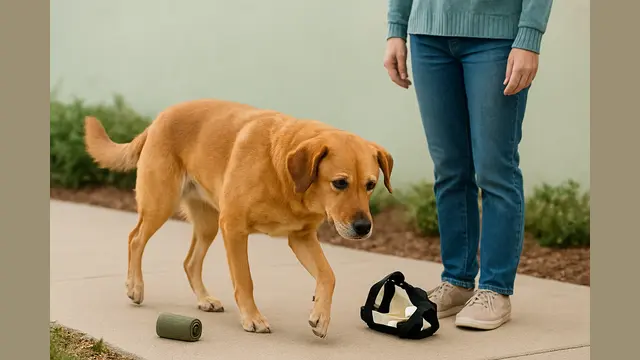
- Watch a movement your dog chooses to make. When they get up for water or a bathroom break, can they rise and walk as usual? If they stay in bed, tell the clinic what you actually saw: not attempting to get up is different from trying and falling back down. Don't pull your dog to their feet or take them on a test walk.
- Let a comfortably tired dog rest. Keep water available. When your dog next wakes, compare the same small part of their routine: how they greet you, get up, or take an interest in what's happening. Improvement means those familiar behaviors are coming back. It doesn't mean your dog has to be ready for another outing.
- Notice what else has changed. Has your dog eaten their usual meal, drunk a different amount, vomited, or had a change in urination or stools? These details help the clinic understand the low energy. Don't wait for the next meal or bathroom break to make a call your dog already needs.
Could heat or something your dog swallowed change the plan?
After a hot outing: Give your dog a cool place with water available. Pay attention to how they are breathing and whether they seem aware of their surroundings, not just whether they've lain down. If you suspect heatstroke, seek emergency care now rather than waiting for a nap to help. For example, a dog who continues to pant heavily and is struggling to breathe at rest needs emergency care, as does one who becomes weak and collapses. Cornell's heat safety guide for dogs explains why the hot outing matters.
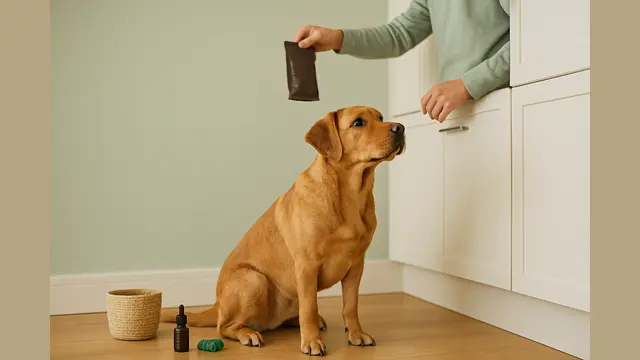
If poisoning is possible: Call your vet or an animal poison control service now, even if your dog is acting normally. If the package is handy, have it with you for the call and take it to the clinic. The ingredient, its strength, and how much might be missing are more useful than the product's appearance. Don't try a home treatment or make your dog vomit unless a veterinarian tells you to. If your dog is unconscious, seizing, or struggling to breathe, go directly to a veterinary hospital. The ASPCA's poisoning guidance explains when to head straight in, and Pet Poison Helpline's advice on suspected poisoning explains what to bring.
When to call your regular vet today
Call today if your dog's energy drops for no clear reason, their usual interest doesn't return after rest, or they're becoming more subdued. You don't need to wait a set number of hours or for a second symptom. A dog who is awake and able to walk, but no longer follows you around on an otherwise ordinary day, fits this category if that's a marked change for them.
If your dog is improving after an active day, breathes comfortably, and acts like themselves when awake, it's reasonable to let them choose more rest. The distinction is between wanting another nap and still seeming unlike themselves once awake. PDSA's advice on low energy in dogs recommends contacting your vet about unexplained loss of interest and not pushing a lethargic dog to exercise or play.
What to tell the clinic and what to expect next
Start with the clearest change and when you last saw your dog acting normally. For example, it helps to say that your dog got up for breakfast as usual but stayed in bed, awake, during their usual afternoon greeting. If you were out, give the time you first noticed the change rather than guessing when it began.
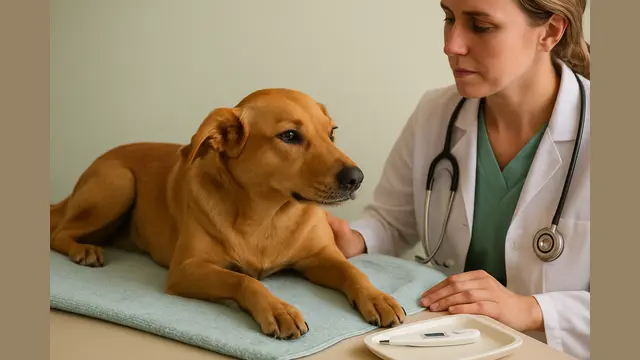
Next, say whether your dog wakes readily, can stand and walk, and breathes comfortably at rest. Mention what changed after a nap, any vomiting or changes in eating, drinking, or bathroom habits, and any heat or possible poison exposure. If you're on the way to the ER, lead with the sign that made you leave. The Merck Veterinary Manual's overview of emergency assessment explains that the team first checks awareness, breathing, and circulation, meaning how well blood is moving through the body. A brief account is enough to start.
If your clinic advises watching at home, ask what improvement they expect, when they'd like an update, and what change should prompt a visit instead. For that update, compare the same familiar activity before and after rest. Whether your dog got up to greet you this time tells the clinic more than how many hours they spent on the couch.
Talk it through with Vicky
You can tell Vicky what you're seeing right now, including what your dog usually does when they wake and what's different today. Vicky will bring in Dr. Andy (Virtual DVM), our general practice veterinarian, to help you sort through those observations. If you see an emergency sign, go directly to an emergency veterinary hospital.
Common questions
My dog still eats treats and drinks water. Could they still be sick?
Yes. Taking a treat is one familiar response, not an all-clear. If your dog eats but stays unusually withdrawn for the rest of their routine, call your vet and mention both the normal appetite and the change in behavior.
My dog was fine last night but is sluggish this morning. Should I call today?
Yes, if you can't explain the change. Tell your vet what was normal last night and which part of this morning's routine your dog missed; you don't need to wait until tonight to see if it happens again.
How much extra sleep is too much for a puppy or senior dog?
A sleep total alone can't tell you whether your dog is lethargic. Compare your puppy or older dog with their own usual awake periods: a new loss of interest during a time they normally enjoy is worth a call even if you haven't counted their naps.
Can I tell whether my dog is staying in bed because of pain or weakness?
Staying in bed doesn't tell you the cause. Describe whether your dog chooses not to get up, rises but walks differently, or tries and can't stand. Sudden inability to stand or walk needs emergency care; don't make your dog demonstrate it again.
Sources
- American Kennel Club — Lethargy in Dogs: What You Need to Know
- PDSA — Lethargy (low energy) in dogs
- Cornell Riney Canine Health Center — When to go to the ER
- Merck Veterinary Manual — Evaluation and Initial Treatment of Dog and Cat Emergencies
- Cornell University College of Veterinary Medicine — Summer heat safety tips for dogs
- ASPCA — What to Do if Your Pet Is Poisoned
- VCA Animal Hospitals — Testing for Decreased Appetite with Listlessness
- NC State Veterinary Hospital — Emergency and Critical Care
- Pet Poison Helpline — Top Ten Things to Remember When Your Pet Is Poisoned